
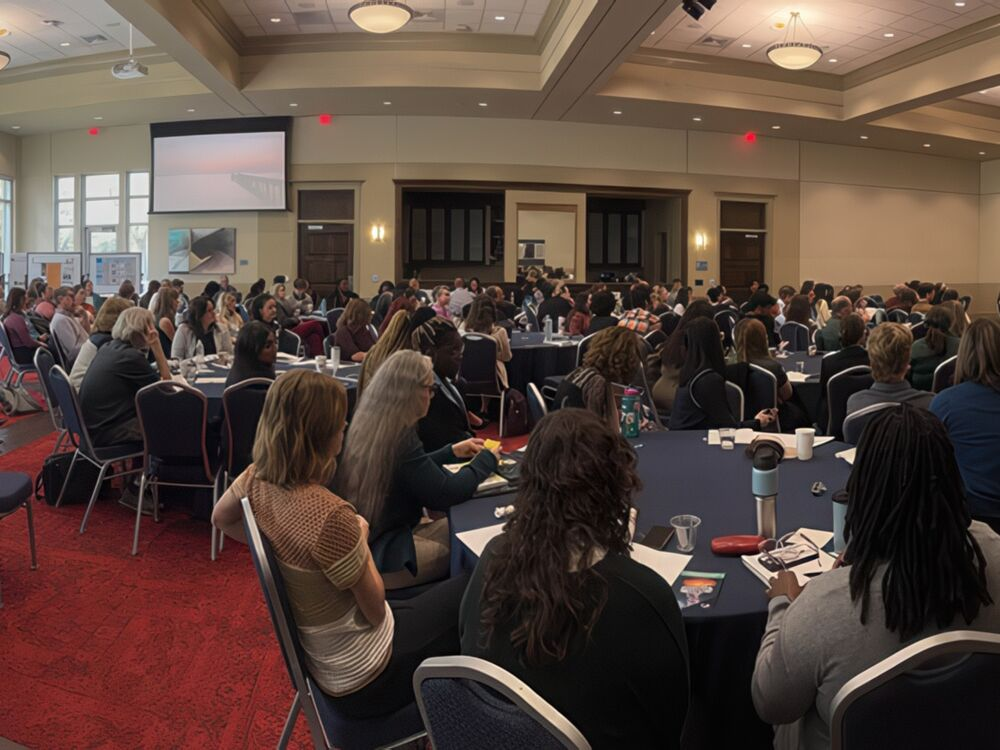
WASHINGTON — The Gulf Research Program (GRP), operating under the National Academies of Sciences, Engineering, and Medicine, has announced the addition of six new higher education institutions to its Gulf Scholars Program, a five-year pilot initiative valued at $12.7 million. Designed to prepare undergraduate students to confront urgent environmental, public health, energy, and infrastructure issues along the Gulf Coast, the program continues to expand its academic reach across the region.
The institutions joining the 2025 cohort are Alcorn State University, Louisiana Tech University, Millsaps College, Texas Southern University, the University of Mississippi, and the University of South Florida. With their inclusion, the Gulf Scholars Program now encompasses 30 colleges and universities across Texas, Louisiana, Mississippi, Alabama, and Florida.
This latest expansion represents the fifth and final cohort of the pilot phase, marking a key milestone for the initiative. As the pilot concludes, program leaders see new opportunities for similar models to be adopted more widely throughout the Gulf region. The long-term vision is to establish a robust, interconnected network of higher education institutions working collaboratively to promote resilience, sustainability, and community well-being along the Gulf Coast.
Karena Mothershed, program director for the GRP’s Board on Gulf Education and Engagement, emphasized the interdisciplinary nature of the effort. She noted that the Gulf region’s challenges cannot be addressed through a single discipline alone. By connecting academic study with real-world problems, participating institutions are equipping students with the ability to integrate perspectives from science, engineering, social sciences, and the humanities. This approach, she said, helps cultivate future leaders capable of strengthening community health, environmental resilience, and long-term sustainability across the region.
Under the Gulf Scholars Program, each participating institution designs its own tailored curriculum. These programs typically combine place-based coursework, experiential workshops, and a substantial research or creative project. Students work closely with local or regional partner organizations, ensuring that their academic efforts are grounded in the realities of Gulf Coast communities. Through this hands-on structure, students gain practical skills and regional knowledge essential for tackling complex environmental, energy, and resilience challenges.
The Gulf Research Program itself was established in 2013 as an independent, science-driven initiative following legal settlements related to the 2010 Deepwater Horizon oil spill. Its mission is to advance, apply, and translate scientific knowledge to improve offshore energy safety, protect the environment, and enhance the quality of life for people living in the Gulf region. GRP supports innovative research, strengthens data collection and monitoring systems, and fosters long-term collaborative networks that deliver lasting benefits both regionally and nationally.
The National Academies of Sciences, Engineering, and Medicine, which oversee the Gulf Research Program, are private, nonprofit organizations known for providing impartial, evidence-based analysis and guidance. Their work supports decision-making on complex scientific, engineering, and medical issues that shape public policy. Operating under a congressional charter granted in 1863 and signed by President Abraham Lincoln, the National Academies continue to play a central role in advancing knowledge and informing solutions to some of the nation’s most pressing challenges.



Leave a Reply