
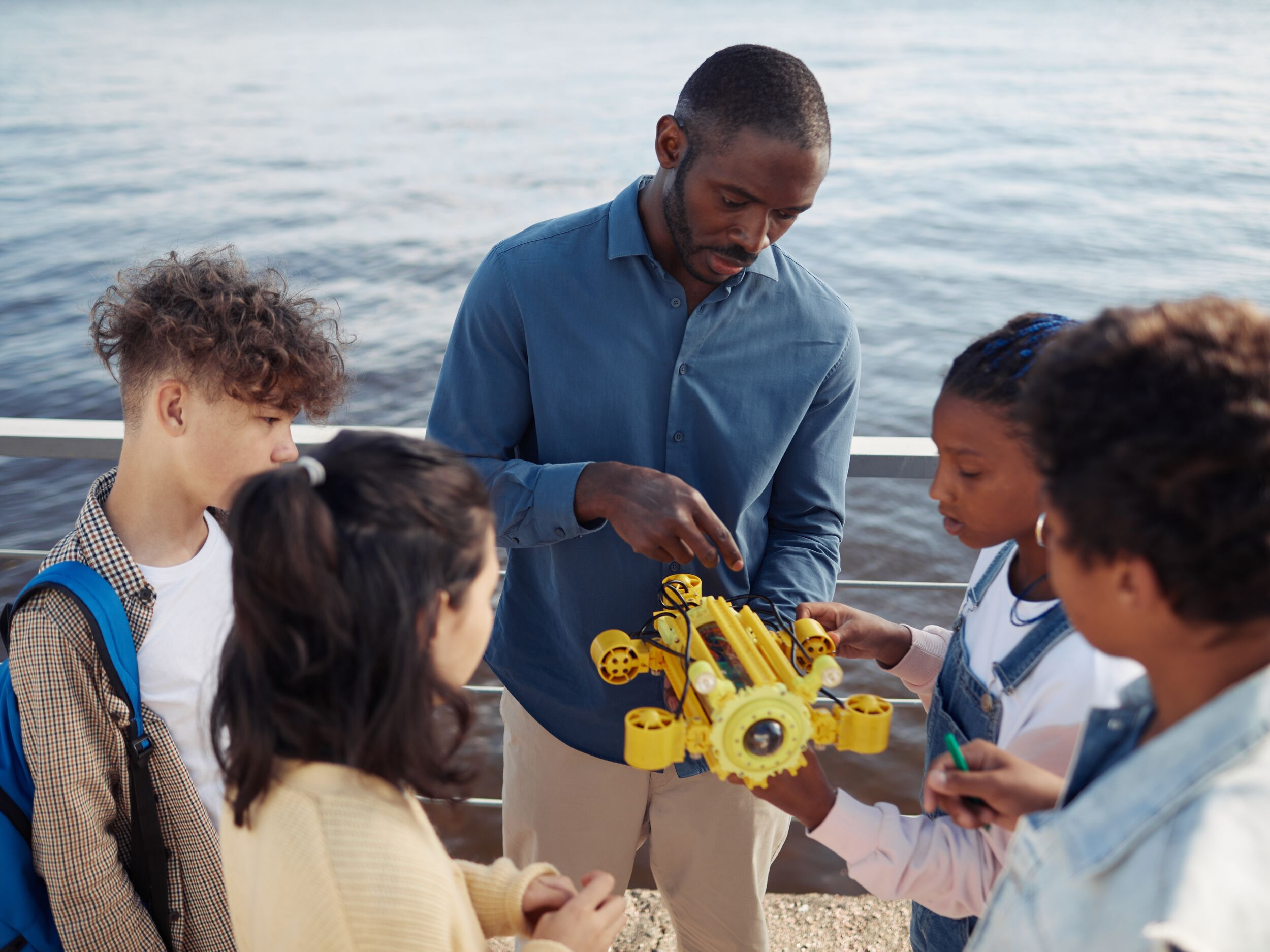
WASHINGTON — The Gulf Research Program (GRP) of the National Academies of Sciences, Engineering, and Medicine has announced a major investment of more than $4.9 million to advance nine innovative place-based education initiatives across the Gulf Coast. These projects, designed for students in kindergarten through eighth grade, aim to nurture a new generation of environmentally aware citizens equipped with scientific knowledge, practical skills, and a strong sense of responsibility to their communities.
The funding supports programs that immerse young learners in the natural environments around them, encouraging hands-on exploration and problem-solving rooted in local ecological challenges. Through activities spanning environmental observation, scientific experimentation, technology-enhanced learning, and engineering-based design, the initiatives collectively promote deeper environmental literacy and empower students to understand and address the issues affecting their coastal communities.
Karena Mothershed, director of the GRP’s Board on Gulf Education and Engagement, emphasized the long-term value of this investment. According to her, the selected projects not only introduce students to scientific principles but also help them develop technical abilities, creativity, and leadership skills needed to envision and design sustainable solutions for the future. By grounding learning in the unique landscapes and ecosystems of the Gulf region, she noted, these programs encourage children to see themselves as active contributors to community resilience and environmental stewardship.
Below is an overview of the nine awarded projects.
Guardians of the Glades: Exploring South Florida’s Ecosystem Health
Project Director: Lisa Milenkovic, School Board of Broward County, Florida
Award Amount: $629,236
This initiative engages elementary students in Broward County Public Schools in learning about South Florida’s natural systems, with a particular focus on the Everglades and the Gulf Coast. Many students in the district’s high-need schools have limited opportunities to experience natural settings firsthand. To close this gap, the curriculum integrates field-based activities, lessons aligned with educational standards, and hands-on investigations emphasizing keystone species and ecosystem survival. Students take part in planning and presenting sustainability efforts, culminating in a public showcase during Everglades Day. Through collaboration, experiential learning, and exposure to pressing environmental challenges, Guardians of the Glades aims to inspire emerging conservation advocates dedicated to South Florida’s ecological future.
SEMILLAS: Sowing Environmental Multilingualism
Project Director: Ayca Fackler, University of Missouri
Award Amount: $427,478
This partnership between the University of Missouri, Mississippi State University, and the Starkville Oktibbeha School District focuses on the intersections of climate change, water issues, and multilingual education. In a district where a large portion of students come from minority and economically disadvantaged backgrounds, many regularly face the consequences of extreme weather and water contamination. The SEMILLAS project introduces interdisciplinary lessons, activities, and teacher workshops designed to help fourth and fifth graders explore how climate-related changes impact local water resources. Through community-centered experiences and culturally responsive teaching methods, students examine real-world environmental challenges and strengthen their connection to place. The program also provides long-term professional development for educators, supporting the continuation of environmental learning in the years ahead.
Grounded to Grow: Student-Led Green Infrastructure
Project Director: Hayley White, Pontchartrain Conservancy
Award Amount: $227,300
This three-year effort empowers fifth grade students at a Title I school to investigate stormwater problems and create green infrastructure solutions such as rain gardens and permeable pavements. Students receive classroom instruction, participate in field investigations, and gather environmental data to inform their design choices. Through interactions with environmental professionals and collaborative critiques, students refine their plans and later help implement the chosen infrastructure project on their own school campus. Teachers also benefit from professional resources and training to ensure this model of place-based learning can continue beyond the project timeline.
Youth Envision II: Building Coastal Community Resiliency
Project Director: Diane Maygarden, University of New Orleans
Award Amount: $562,015
Building on prior success, Youth Envision II exposes middle-grade students in New Orleans to topics such as water management, coastal stability, and human-environment interactions. The curriculum includes hands-on modeling, outdoor exploration, and project-based learning connected to Louisiana’s education standards. With new funding, the project will expand its activities and allow younger students to participate in schoolyard-focused investigations, while older students tackle larger-scale ecological and community planning issues. Students also gain more opportunities to conduct fieldwork in neighboring wetlands. Through envisioning potential future conditions and proposing solutions, participants build leadership skills and contribute to community resilience strategies.
Alabama Gulf Coast Resiliency Project: Sustainability, Full STEAMM Ahead
Project Director: Jessica Sampley, Gulf Shores City Schools
Award Amount: $733,024
This comprehensive K–8 program integrates STEAMM learning—science, technology, engineering, arts, mathematics, and medicine—into local environmental challenges faced by coastal communities in Alabama. Students take part in hands-on, place-based projects aligned with academic standards to ensure skill development across all grade levels. The initiative also includes the Gulf Coast Sustainability Symposium, an event bringing together students, educators, and industry experts for workshops, competitions, and research exchanges. With more than 2,500 students and 52 teachers participating, the project aims to cultivate environmentally responsible leaders equipped with the technical knowledge and confidence to promote sustainability across the Gulf Coast.
Enhancing Water Quality and Human Health Knowledge in South Texas
Project Director: Ioana Pavel, Texas A&M University-Corpus Christi
Award Amount: $670,269
This project serves more than 600 students living in South Texas coastal communities that regularly experience extreme drought, severe storms, and boil-water advisories. Partnering with local science and technology schools, Texas A&M University-Corpus Christi will lead interactive lessons that teach students how to assess, test, and treat water from households, beaches, and public spaces. Students will also help clean and restore coastal habitats, including areas around the Padre Island National Seashore. Each year, the program concludes with visits to water treatment facilities and the region’s first “Water Fair on the Gulf Coast in South Texas,” giving families and community leaders the chance to learn directly from student research and 1,500+ documented water quality tests.
Sustainable Solutions Challenge: Empowering K-8 Youth
Project Director: Rachel Gisewhite, University of Southern Mississippi
Award Amount: $748,927
At the STEM Coastal Camp, students from third to eighth grade participate in immersive activities focused on coastal resilience, ecosystem health, and climate adaptation. Campers investigate issues such as erosion, biodiversity loss, and habitat degradation through fieldwork and marine science activities. They participate in conservation work at Ocean Adventures Marine Park, examine sustainable fisheries during shrimping excursions, and explore wetlands at the Pascagoula River Audubon Center. Students also visit Ship Island to study barrier island dynamics and conduct scientific analyses on water quality and predator-prey interactions. Final projects, including public service announcements and community resilience plans, help students translate scientific understanding into meaningful action.
Inquiry to Action: Emerging Civic Scientists
Project Director: Lisa Gianukos, Children’s Environmental Literacy Foundation
Award Amount: $229,402
This initiative expands the Civic Science: Inquiry to Action model to younger students in grades three to five across the Houston-Galveston area. Through field trips, outdoor investigations, and community-based activities, students learn about waste systems, watershed health, and sustainability. Teachers receive training that helps them integrate local environmental issues into classroom instruction. Students participate in cleanups, conduct waste audits, and share data with schools across the region and in Louisiana, fostering a broader sense of community. Their final projects aim to reduce food waste, improve composting systems, and strengthen waste management infrastructure to keep pollution out of local waterways.
Gulf Futures 3D
Project Director: Kiara Lovett, St. Petersburg Housing Authority
Award Amount: $740,860
Gulf Futures 3D will establish advanced technology labs in St. Petersburg Housing Authority communities, giving young residents access to 3D printers, virtual reality tools, and 3D scanners. Guided by partners such as Tampa Bay Watch and St. Petersburg College, students will apply these tools to analyze environmental data, design sustainable systems, and develop innovative responses to challenges facing the Gulf region. The program emphasizes creativity and technical skill while fostering a strong sense of place through local fieldwork in parks, beaches, and waterways. Ultimately, Gulf Futures 3D aims to equip students with the mindset and abilities needed for future STEM careers and environmental leadership.
Founded in 2013 as part of legal settlements following the Deepwater Horizon disaster, the Gulf Research Program is dedicated to advancing scientific understanding, improving offshore energy safety, and supporting the health of Gulf Coast communities. Through research investments, educational initiatives, and cross-sector collaboration, the GRP works to build a safer, more resilient future for the region.
The National Academies of Sciences, Engineering, and Medicine, operating under an 1863 congressional charter signed by President Abraham Lincoln, continue to provide impartial scientific advice to inform policymaking and address complex national challenges.



Leave a Reply